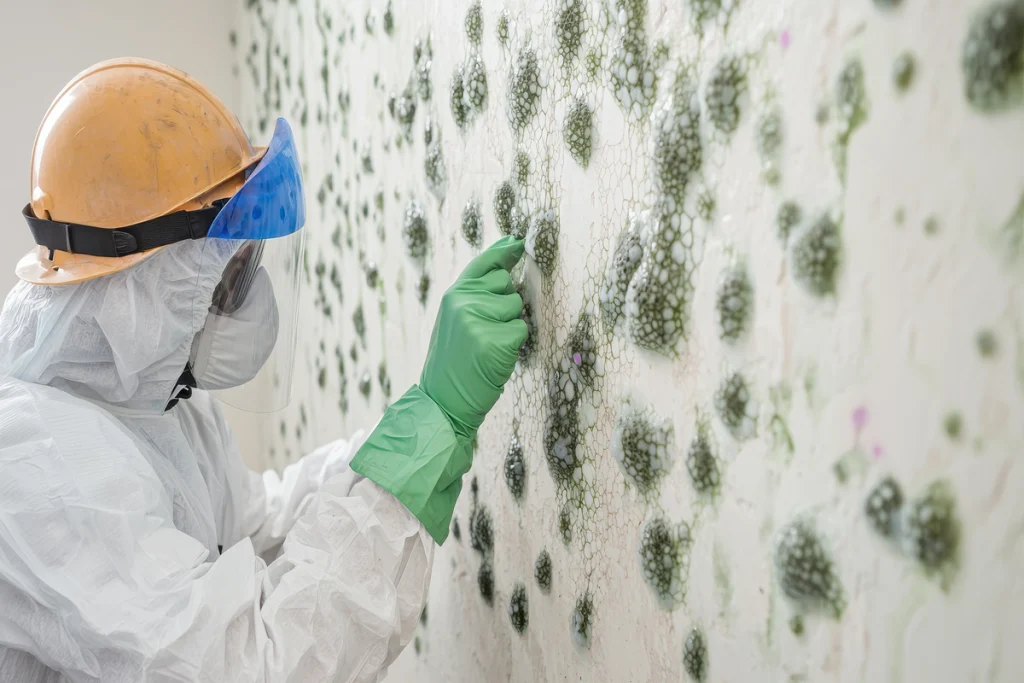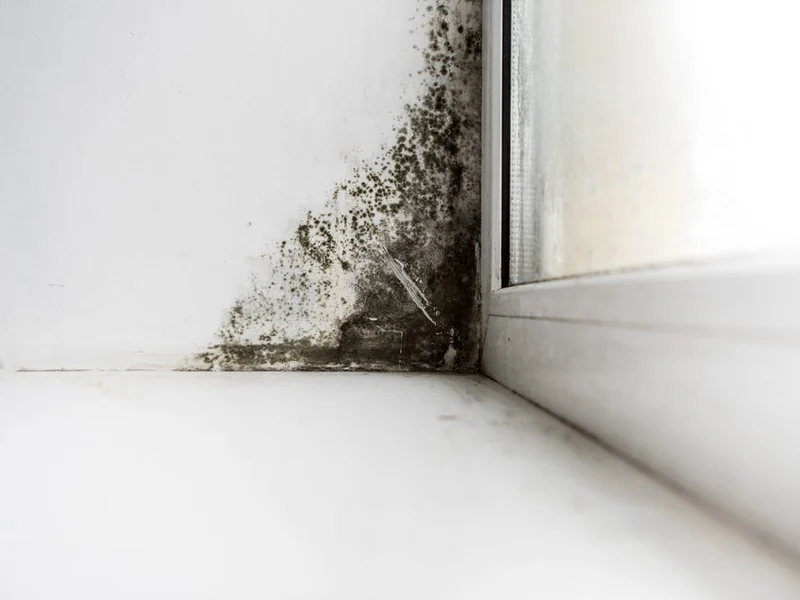
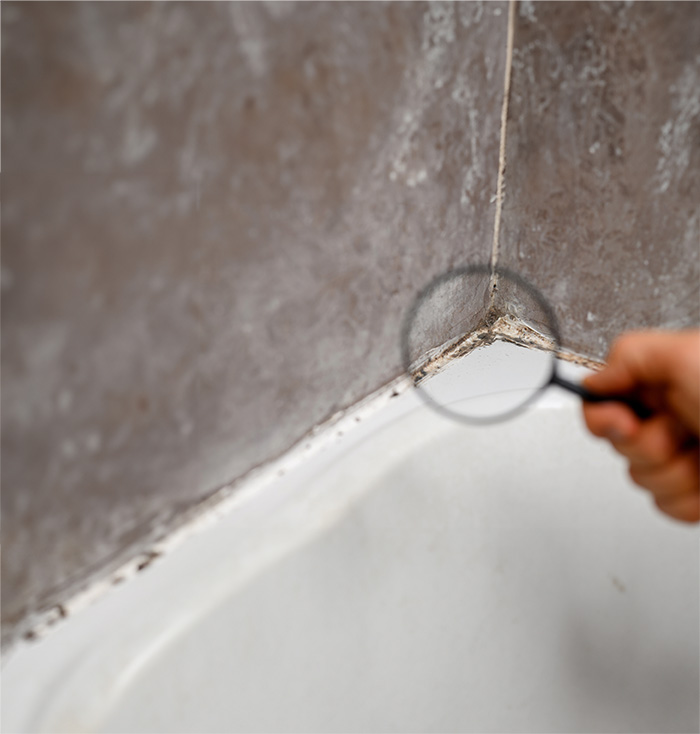
In Texas & California’s climate, mold thrives in humid bathrooms near the River Walk, leaky homes around Canyon Lake, and older structures in Alamo Heights. Homeowners often ask: Do I need to test for specific mold types during inspection in Texas & California? The answer is yes in many cases, but it depends on visible growth, health concerns, or property sales. As experts at GJ Environmental Testing Services
Understanding Mold Risks in Texas & California’s Unique Environment
Texas & California’s mild weather, frequent fog from the Gulf and the Pacific, and occasional heavy rains create perfect conditions for mold. Areas near Crystal Cove State Park or along Interstate 10 see higher moisture intrusion due to humid air. In neighborhoods like Huntington Beach or Huntington Beach, humid air accelerates corrosion on roofs and windows, leading to hidden leaks. Our team has inspected homes in Riverside near UCSD where students report musty odors from poorly ventilated dorms or rentals. During winter storms that flood areas around Temecula Shopping Center, mold spores explode in growth behind drywall.
Common culprits include Aspergillus, Penicillium, and Stachybotrys (black mold), which thrive in damp crawlspaces under homes in Menifee or Sun City. Without specific testing, you risk missing toxigenic strains that cause respiratory issues, especially for families near the River Walk‘s playgrounds where kids play outdoors.
When Specific Mold Type Testing Becomes Necessary
Not every inspection requires typing every mold species, but specific testing is crucial when symptoms appear. If you notice persistent coughs in your Tobin Hill bungalow or allergies flaring in a Monte Vista condo, air sampling identifies airborne spores. For visible black patches in kitchens near Pearl District restaurants, surface swabs pinpoint Stachybotrys, known for mycotoxins.
In pre-sale inspections for homes along Highway 52 in Fair Oaks Ranch, buyers demand ERMI testing to score water damage history. Canyon Lake have hidden growth from irrigation runoff. During remediation verification post-flood in Helotes, HERTSMI-2 confirms safety for re-occupancy, preventing lawsuits from tenants in apartments off SR-94.
For commercial spaces like offices in downtown San Antonio‘s high-rises or retail in The Shops at Mission Viejo, regulations under California health codes mandate specific typing if over 10 square feet of growth. the Alamodome where HVAC systems spread spores, requiring mycotoxin panels to protect employees.
Standard vs. Specific Testing: What Texas & California Homeowners Need to Know
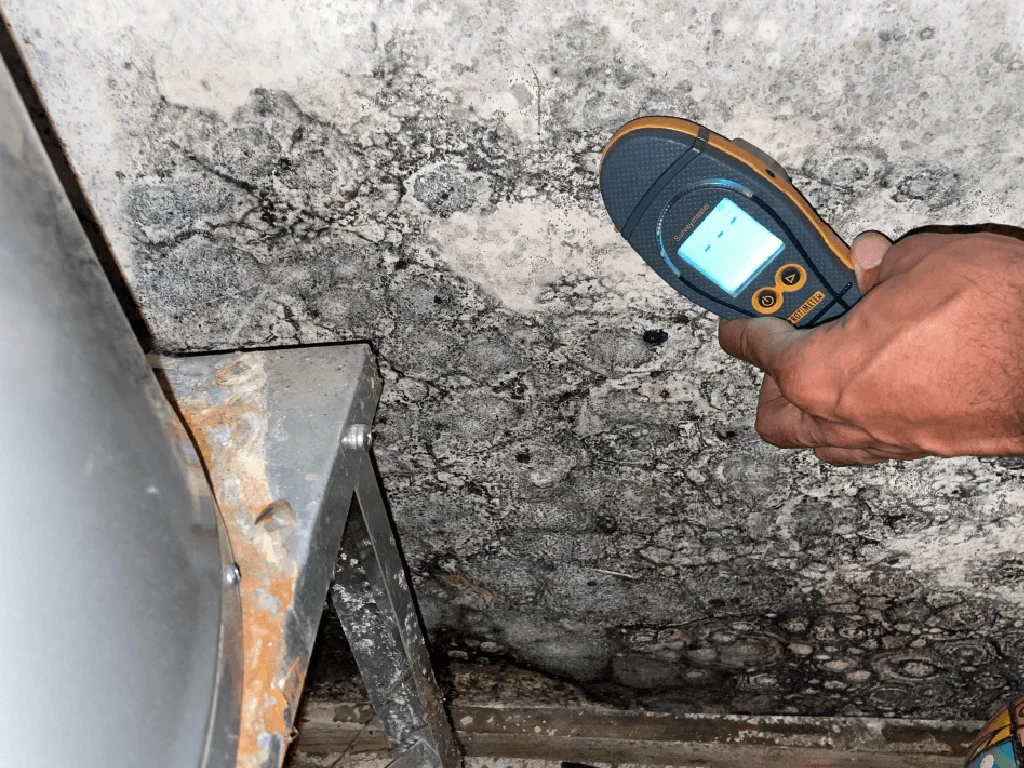
A basic visual inspection with moisture meters covers most cases in dry inland areas like Fair Oaks Ranch or Wildomar. However, for zones from Laguna Beach to Laguna Beach, airborne sampling compares indoor vs. outdoor baselines. Specific typing via lab analysis differentiates allergenic from pathogenic molds.
Monte Vista: A family experienced headaches after a pipe burst. Our comprehensive Texas & California mold inspection service used direct surface sampling on visible growth, revealing high Chaetomium levels— a water damage indicator often missed without typing. Post-remediation, EMMA testing confirmed no mycotoxins remained, allowing safe return.
In contrast, routine checks in Menifee neighborhoods might skip typing if no visible mold exists, focusing on infrared scans for leaks from aging plumbing near UC Riverside. Yet, for high-risk groups like asthmatics in Moreno Valley, every inspection includes spore counts to avoid escalation.
Advanced Testing Methods Explained for Texas & California Properties
Air Sampling: Collects spores from living areas in homes near Presidio Park, lab-analyzed for genus/species. Essential for attics with poor ventilation in Bulverde.
Surface Sampling: Swabs or tapes visible mold on baseboards in Olmos Park craftsman homes, identifying if remediation is needed.
ERMI (Environmental Relative Moldiness Index): DNA-based, scores 36 mold species. Ideal for pre-purchase in Menifee flips near Canyon Lake, where past floods linger.
HERTSMI-2: Screens for 5 toxigenic molds post-exposure. Used in our clearance tests for Murrieta apartments after tenant complaints.
Mycotoxin Panel (EMMA): Detects 15 toxins from 10 molds. Critical for schools in Eastvale or daycares near Qualcomm Stadium site.
Our protocols, refined over years serving from Corona to Menifee, integrate these with moisture mapping using FLIR cameras, ensuring comprehensive coverage.
Local Factors Influencing Testing Decisions in Texas & California
Texas & California’s microclimates demand tailored approaches. Fog belts in Helotes promote Cladosporium on north-facing walls. Earthquake-prone zones like Roseville (wait, Helotes area) see pipe bursts necessitating immediate typing. Near Cabrillo National Monument, salt intrusion rots siding, requiring bulk sampling of materials.
Monsoon-like rains flooding Canyon Lake areas prompt SIM surveys. For historic homes in historic Boerne Texas & California, non-destructive tests preserve integrity while identifying Ulocladium. Commercial hubs at Lindbergh Field expansions need VOC integration with mold typing for full IAQ reports.
San Pasqual Valley, where ash traps moisture, breeding molds needing specific ID for insurance claims.
Health Implications of Untested Mold in Texas & California Homes
Untyped molds can exacerbate conditions. Aspergillus triggers asthma in UTSA area joggers inhaling spores near parks. Stachybotrys links to neurological issues in infants from Cibolo exposures. Midtown cases involve sensitizing molds, underscoring typing’s value.
For seniors in Skyline retirement communities, mycotoxins pose risks; EMMA testing provides peace of mind. During allergy season near Lake Elsinore, elevated Alternaria demands confirmation.
Cost-Benefit Analysis: Is Specific Testing Worth It?
Basic inspections start affordably, but typing adds $100-300. In Riverside resales near Waterloo Park, it prevents $20K remediation disputes. Long-term, it avoids health costs exceeding $10K annually for chronic exposure in Sun City families.
Insurance in coastal Huntington Beach often covers if typing proves toxigenic strains, as in our mold remediation services for Texas & California cases.
Step-by-Step Guide to Your Texas & California Mold Inspection
1. Schedule with certified inspectors familiar with Santa Ana River flood zones.
2. Visual scan of attics, basements in Helotes hillsides.
3. Moisture probe walls near Interstate 8 overpasses.
4. Sample if growth suspected in Grant Hill Victorians.
5. Lab analysis for species ID.
6. Detailed report with remediation scope for Southtown artists’ lofts.
Frequently Asked Questions
Do I need to test for specific mold types during every inspection in Texas & California?
No, basic visual and moisture checks suffice for no-symptom homes in dry areas like Rancho Peñasquitos. But if visible mold appears in humid spots like Dana Point basements or health issues arise near La Playa Trail, specific air and surface sampling identifies threats like Stachybotrys. In our inspections across Texas & California, we recommend typing when water damage history exists, such as post-leak in Helotes or fog-dampened Rolling Hills Ranch. This ensures accurate remediation, preventing recurrence. For buyers near local shopping centers, it’s standard to confirm spore types for safety. Labs process samples in 24-48 hours, providing genus-level details essential for sensitive occupants in neighborhoods like Audie Murphy Ranch. Always prioritize if pets show symptoms, as they detect issues early in Sabre Springs backyards.
What are the most common mold types found in Texas & California inspections?
In Texas & California’s climate, Aspergillus and Penicillium dominate airborne samples from Fair Oaks Ranch homes, while Cladosporium coats exterior walls in Aliso Viejo. Black mold (Stachybotrys) hides in Olmos Park leak-prone attics. Cibolo reveals Chaetomium post-flooding near the Hill Country. Outdoor baselines near the Santa Ana Mountains include Alternaria, but indoor elevations signal problems. For coastal Dana Point, salt-loving Ulocladium appears. Typing distinguishes these, guiding targeted treatments. In 4S Ranch new builds, construction molds like Fusarium emerge from poor drying. Regular testing in high-risk zones like Montezuma Valley catches them early, protecting health.
How much does specific mold typing cost in Texas & California?
Basic typing via air/surface samples costs $75-150 per test in Texas & California, including lab fees. Full panels like ERMI add $300-500 for Fair Oaks Ranch properties. Alamo Heights, with extras at $75. In Temecula, commercial typing runs $600+. Savings come from avoiding improper remediation in Feather Falls. Insurance covers if documented via our detailed reports for Santa Ana River valley claims. Compare to health costs: typing prevents $5K+ ER visits for Helotes East families. Bundle with moisture scans for value in McCain Valley. Transparent pricing builds trust.
Is ERMI testing necessary for Texas & California home buyers?
Yes, for water-damaged histories in Boerne estates or Fairmount Park flips. ERMI scores mold load across 36 species, ideal for Chapel Hill pre-sales. It detects hidden growth missed by visuals in Kerrville. Physicians recommend for CIRS patients in downtown San Antonio. Bulverde attics. Pair with HERTSMI-2 for occupancy safety post-remediation near Lindbergh Field. Not always needed for pristine Sabre Point new constructions, but humidity warrants it. Results guide negotiations, saving thousands.
What if mold is visible during my Texas & California inspection?
Immediate surface sampling is key. Swab visible growth in College Grove bathrooms or Townsite cabinets to ID species. Avoid disturbance spreading spores near the River Walk. Our protocol: isolate, sample, then remediate per lab results for Five Points. Typing confirms if toxigenic, critical for kids in Morse Highlands. Post-sampling, seal areas in Emerald Hills. Visual alone underestimates airborne risk in Manor Heights. Full reports include scopes for contractors near SR-125. Act fast to comply with local codes.
How does Texas & California’s climate affect mold testing needs?
High humidity from humid air in Kerrville demands frequent testing. Fog in the Hill Country canyons traps moisture, breeding molds needing typing. Inland Elliot dries faster, but AC drips require checks. Wildfire smoke in San Vicente Reservoir areas exacerbates growth. Laguna Beach shows 50% higher spores. Typing differentiates climate-specific strains like marine Aureobasidium. Seasonal rains near Helotes Creek spike needs. Integrate HVAC sampling for Sky Valley efficiency.
Can specific testing confirm a home is mold-free after remediation?
Yes, post-clearance HERTSMI-2 or EMMA verifies <5 score for Shavano Park returns. Air samples compare to Mt. Acadia baselines. Surface lifts ensure no residuals in Norco. Leon Valley confirm 95% success. Essential for realtors in Park West, preventing liability. Mycotoxin absence proves safety near Fortuna Foothills. Repeat if re-exposure risks exist in Green Valley.
Who should prioritize specific mold typing in Texas & California?
Families with kids near Presidio Hills parks, asthmatics in Rolling Hills Estates, or immunocompromised in Moreno Valley. Buyers of 1930s homes in Comfort, post-flood Helotes owners. Businesses at Westwood plazas. Our advice: anyone with musty odors in Bulverde. Typing protects vulnerable groups near Lake Elsinore.
How long do Texas & California mold test results take?
Culture tests: 3-5 days for Helotes West. DNA methods like ERMI: 48 hours. Rush for Midtown District urgencies. Labs process our samples from La Playa swiftly. Full reports with scopes ready next day post-lab. Track via portal for Comfort.
Does insurance cover specific mold testing in Texas & California?
Often yes, if sudden damage proven in Fair Oaks Ranch. Typing documents for claims near Lytle Creek. Our reports aid approvals in Winter Gardens. Exclusions for neglect, so test early. Consult for Elfin Forest policies.
Conclusion: Take Control with Expert Testing
Don’t guess—test specifically when risks loom in Texas & California’s tricky climate. Contact GJ Environmental Testing for tailored inspections ensuring your North City West home or South City business stays safe.